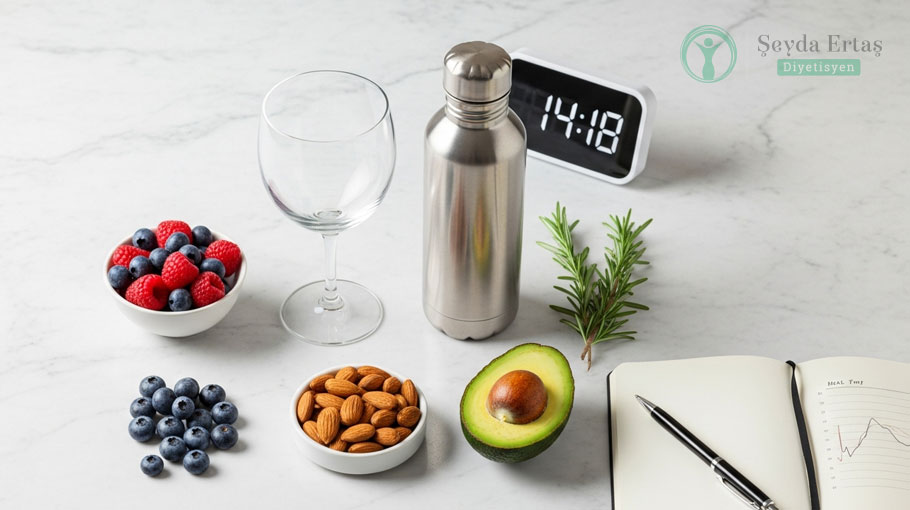
A Dietitian's View on Intermittent Fasting: Healthy Weight Loss with the 16:8 Method
A common question I get is: "Is it healthy to lose weight by fasting all day? Does this intermittent fasting thing really work?"
Intermittent Fasting (IF) isn't just a new trend; it's one of the oldest eating patterns in human history. While modern life pushes us to constantly snack, our genetic code is better adapted to periods of fasting than you might think.
In this guide, you'll find scientific and practical answers not just to "What is the IF diet?" but also to key questions like, "Which eating window is right for me?" and "What happens in my body during a 16-hour fast?"
What Is Intermittent Fasting (IF)?
Intermittent fasting is an eating pattern that focuses more on when you eat than what you eat. It involves cycling between periods of eating (your "feeding window") and periods of fasting. The goal is to lower insulin levels and trigger fat burning (ketosis).
How to Do Intermittent Fasting: The Most Popular Schedules
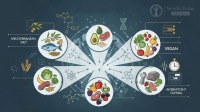
Intermittent fasting isn't one-size-fits-all. You should choose the method that best suits your lifestyle, work schedule, and biological rhythm. Here are the models most recommended by registered dietitians:
Would you like to receive professional diet counseling?
Yes, I Do1. The 16:8 Method (The Most Popular and Sustainable)
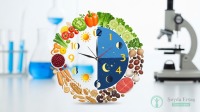
You fast for 16 hours a day and have an 8-hour window to eat. It's the easiest method to follow because your sleeping hours count towards the fast.
- Example Schedule: Eating window from 12:00 PM to 8:00 PM, followed by a fast from 8:00 PM until 12:00 PM the next day.
- Who is it for? It’s ideal for people who don't like to eat breakfast or have little appetite in the morning.
2. The 5:2 Diet
You eat normally for 5 days of the week and restrict your calorie intake to 500-600 calories on two non-consecutive days (like Monday and Thursday).
3. Eat-Stop-Eat (24-Hour Fast)
This involves a full 24-hour fast once or twice a week, for example, from dinner one day to dinner the next. It can be challenging for beginners.
4. Intermittent Fasting Schedules by Age
Your metabolic rate changes with age. While the 16:8 model can be easy to follow in your 20s, a 14:10 model (14-hour fast, 10-hour eating window) might be more sustainable and better for hormonal balance for individuals over 50 or women in menopause.
What Happens in Your Body During a 16-Hour Fast? (A Biological Timeline)
When you fast, your body begins a "cleaning and repair" process. Here's what happens hour by hour:
- 0-4 Hours: Your body digests your last meal. Blood sugar rises and then starts to fall.
- 4-8 Hours: Insulin levels drop. Your body begins to use stored sugar (glycogen) from the liver for energy.
- 12th Hour: Human Growth Hormone (HGH) levels start to increase, which supports fat burning and muscle repair.
- 16th Hour (Key Threshold): Your body has depleted its sugar stores and begins to burn fat directly for energy. The process of "autophagy" (your cells' self-cleaning process) also ramps up.
What to Eat on an Intermittent Fasting Plan (What's Allowed and What's Not)
Personalized online diet program. Start now!
Book OnlineWhat's Allowed During Your Fasting Window:
Nothing with calories should be consumed during this time. However, the following are permitted:
- Water (Drink plenty of it)
- Black Coffee (No sugar, milk, or cream)
- Tea and Herbal Teas (Unsweetened)
- Plain Mineral Water
What Should You Eat During Your Eating Window?
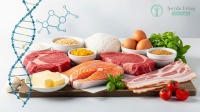
Don't fall into the trap of thinking "I can eat anything" when your fast ends. Overloading your stomach will halt your weight loss. You should focus on quality protein (eggs, fish, meat), healthy fats (olive oil, avocado), and fiber-rich vegetables.
Sample 16:8 Intermittent Fasting Menu from a Registered Dietitian
The following is a general example. You can adjust the times to fit your own routine (e.g., 10:00 AM - 6:00 PM or 12:00 PM - 8:00 PM).
First Meal (12:00 PM - To break your fast):
- 2 boiled eggs (Keeps you full longer)
- 1 slice of white cheese or cottage cheese
- Plenty of greens, cucumber, tomato
- 10 raw almonds or 2 whole walnuts
- 1 slice of whole wheat bread (Optional)
Snack (4:00 PM):
- 1 cup of coffee with a splash of milk or 1 bowl of yogurt
- 1 serving of fresh fruit (Apple, pear, etc.)
Last Meal (7:30 PM - Dinner):
- Grilled chicken, meatballs, or fish (Protein is essential)
- 4-5 tablespoons of a vegetable dish with olive oil or legumes
- A large salad (with olive oil and lemon)
- 1 bowl of yogurt or a cucumber-yogurt dip (like tzatziki)
- (After this meal, you can only consume water, unsweetened tea, or coffee.)
The Proven Benefits of Intermittent Fasting
- Helps Burn Stubborn Belly Fat: By improving insulin sensitivity, it specifically helps reduce visceral fat around the abdomen.
- Promotes Cellular Repair (Anti-Aging): Autophagy allows the body to clear out damaged cells, supporting the renewal of skin and organs.
- Improves Mental Clarity: With stable blood sugar levels, you avoid focus issues and the "after-meal slump."
Intermittent fasting isn't for everyone (e.g., those with Type 1 diabetes or who are pregnant). It's always best to consult with a healthcare provider or a Registered Dietitian to find the right plan for you.