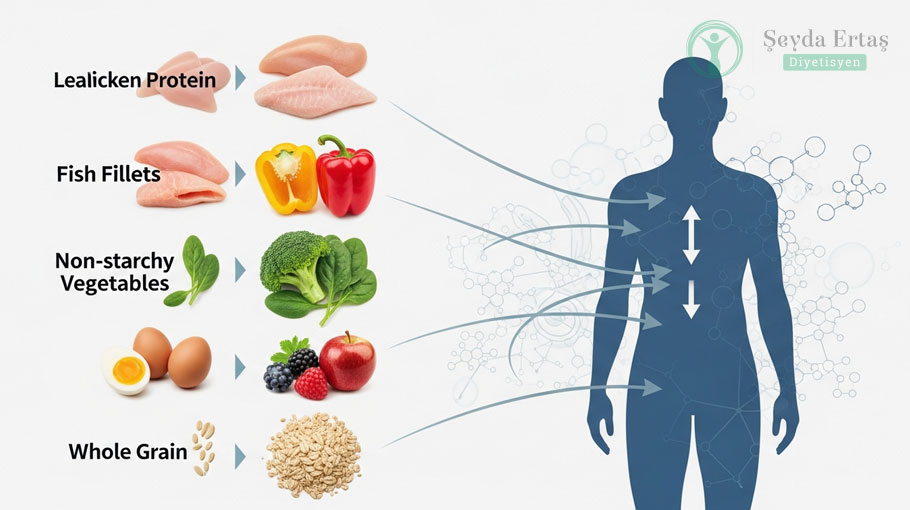
The Dukan Diet is a high-protein, low-carbohydrate weight management protocol divided into 4 distinct phases: Attack, Cruise, Consolidation, and Stabilization. It focuses on consuming 68 specific lean proteins while strictly limiting fats and carbs to support metabolic rate and manage appetite. While it can facilitate rapid initial results, long-term success requires daily consumption of 1.5 to 3 tablespoons of oat bran and adequate hydration (at least 64 ounces of water daily) to prevent digestive issues.
A Dietitian's View of the Dukan Diet: 4-Phase Guide & Sample Menus
From Kate Middleton to Jennifer Lopez, many celebrities have turned to the Dukan Diet for rapid weight loss, and it has remained popular for years. In my clinical experience, I observe in my clients that the Dukan Diet is not just about "eating protein"; it requires a mathematical level of discipline. When done incorrectly, it can lead to muscle loss and metabolic fatigue.
If you're thinking, "I need to lose weight fast but I don't want to starve," let's break down Dr. Pierre Dukan's famous method, the real facts, risks, and practical meal plans.
What Is the Dukan Diet? How Does It Work?
The Dukan Diet is a low-carbohydrate eating plan where carbohydrates and fats are severely restricted, while protein is "unlimited." According to Dr. Pierre Dukan's theory, proteins are harder to digest, and your body burns more calories breaking them down compared to carbs (this is known as the Thermic Effect of Food). Also, consuming pure protein helps your body quickly shed water weight and suppresses appetite.
Who Should Not Follow This Diet?
Not every diet is right for every person. The Dukan Diet can pose serious risks for the following groups:
- Individuals with kidney stones or kidney failure (high protein can strain the kidneys).
- People with gout (it can increase uric acid levels).
- Pregnant and breastfeeding mothers.
- Individuals with Type 1 diabetes.
- Those with a history of eating disorders.
How to Do the Dukan Diet: The 4 Core Phases
The Dukan Diet is like a marathon, consisting of 4 distinct stages. Bending the rules means breaking the chain of progress.
1. The Attack Phase
Goal: To kick-start your metabolism and initiate rapid weight loss.
Duration: 1 to 7 days, depending on your weight loss target.
Rule: Only 68 types of lean animal protein are allowed. Vegetables, fruits, fats, and carbs are forbidden.
Must-Haves: 1.5 tablespoons of oat bran and at least 64 ounces (about 2 liters) of water per day.
Would you like to receive professional diet counseling?
Yes, I Do2. The Cruise Phase
Goal: To continue until you reach your ideal weight.
Method: You alternate between "Pure Protein" days and "Protein + Vegetable" days.
What's Added: Non-starchy vegetables (like spinach, zucchini, cabbage) are introduced into your diet.
3. The Consolidation Phase
Goal: To prevent regaining the weight you've lost (the "Yo-Yo" effect).
Duration: You follow this phase for 5 days for every 1 pound lost.
The Reward: You get two "Celebration Meals" per week. Fruit, cheese, and whole-grain bread are reintroduced in limited quantities.
4. The Stabilization Phase
Goal: To maintain your weight for life.
The 3 Golden Rules:
- Have one "Pure Protein" day per week (just like the Attack phase), traditionally on a Thursday.
- Eat 3 tablespoons of oat bran every day.
- Take the stairs instead of the elevator and walk for at least 20 minutes a day.
What to Eat and What to Avoid on the Dukan Diet
Sticking to the list below is key to the diet's success.
| ALLOWED FOODS (Unlimited) | FORBIDDEN FOODS (First 2 Phases) |
|---|---|
| Meats: Lean beef, chicken, turkey (skinless), liver. | Carbohydrates: Bread, rice, pasta, potatoes, corn. |
| Seafood: All types of fish, tuna (in water), shrimp. | Fruits: Forbidden in the Attack and Cruise phases due to sugar content. |
| Dairy: Fat-free yogurt, milk, cottage cheese, kefir. | Legumes: Lentils, chickpeas, beans. |
| Other: Eggs, spices, lemon, vinegar, sugar-free tea/coffee. | Fats: Butter, oil (only enough to grease a pan is permitted). |
Popular Recipe: The Dukan 'Beer' for Water Retention
Although it's called "beer," this is a non-alcoholic, powerful diuretic tea. It's often used to stimulate metabolism, especially during weight loss plateaus.
- Ingredients: 25 oz (750 ml) water, 2 green tea bags, juice of half a lemon, 1 bottle of sparkling mineral water.
- Preparation: Brew the green tea and let it cool. Add the lemon juice and sparkling water. Drink it chilled throughout the day.
Dukan Diet Sample Menu (US Adaptation)
Instead of French-style lists, I've created an accessible meal plan that fits a typical American kitchen.
Personalized online diet program. Start now!
Book OnlineAttack Phase (Pure Protein Day)
Breakfast:
- Omelet with 2 eggs and fat-free cottage cheese (cooked in a non-stick pan)
- 1 slice of lean deli ham or smoked turkey
- Unsweetened tea
Lunch:
- Grilled chicken breast (seasoned with spices)
- 1 bowl of fat-free Greek yogurt (with 1.5 tbsp of oat bran mixed in)
Snack:
- 1 glass of kefir or an iced coffee (with fat-free milk)
Dinner:
- Baked salmon or grilled lean beef patties (made without breadcrumbs)
- Sparkling water with lemon
Cruise Phase (Protein + Veggie Day)
Breakfast:
- Scrambled eggs with tomatoes and bell peppers (cooked without oil)
- 1-2 slices of fat-free cheese
Lunch:
- Sautéed zucchini with a dollop of fat-free Greek yogurt
- Grilled turkey cutlets
Dinner:
- Spinach with lean ground turkey (cooked without rice)
- Mixed green salad (with a lemon and vinegar dressing)
A Critical Warning from a Dietitian
The Dukan diet can deliver fast results, but it can be difficult to maintain. Due to the lack of carbohydrates, you might experience bad breath, constipation, and fatigue. To minimize these effects, remember to drink at least 85 ounces (about 2.5 liters) of water and never skip your daily oat bran.
For a Lasting and Healthy Transformation
Instead of exhausting your metabolism with crash diets, it's possible to adapt the Dukan principles into your lifestyle for a balanced diet.
To get a professional plan tailored to your blood work and avoid getting stuck wondering, "Which phase am I in?" or "How do I break a plateau?", you can explore my Online Nutrition Counseling services today.