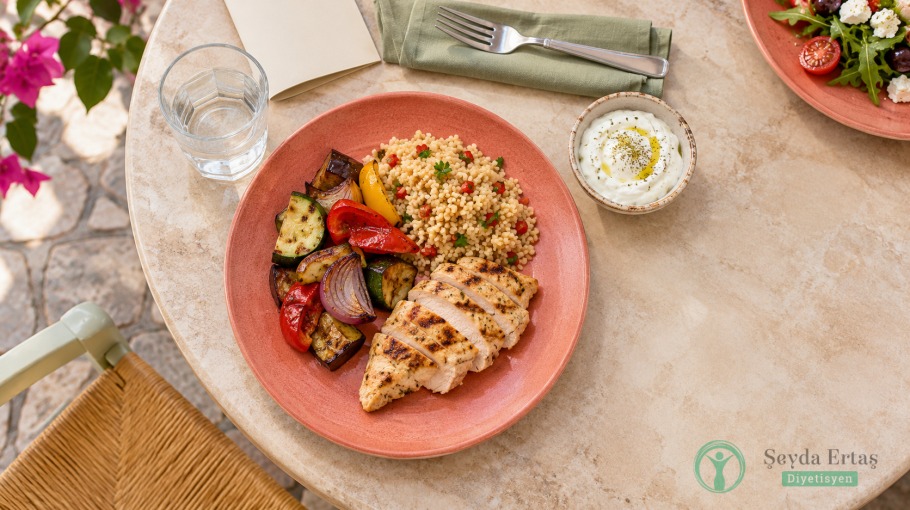
Eating out while watching your nutrition does not mean settling for the smallest salad on the menu. When you pick a satisfying main dish and look at the vegetables, sides and drink together, grills, grain bowls, sandwiches, burgers or even pizza can fit smoothly into your routine. What makes a meal balanced is rarely the dish's name alone, because cooking method, portion size and accompaniments matter just as much.
One of the most common pitfalls people share in nutrition counseling is skipping meals all day to “save calories” for dinner with friends. Arriving overly hungry makes calm ordering much harder and often leads to eating past comfort. Keeping your regular daytime meals helps you enjoy the occasion and make choices that genuinely satisfy you.
Four simple steps for scanning any menu
When a restaurant menu feels overwhelming, walking through these four quick checks keeps ordering straightforward:
- Start with the main protein: Look for fish, poultry, eggs, lean meat, beans, lentils, cheese or tofu to anchor the meal.
- Check vegetables and sides together: Notice whether vegetables are included and whether rice, bread or potatoes already come on the plate. The balanced-plate approach works just as well at a restaurant, even when ingredients arrive mixed in one dish.
- Ask for small adjustments: Quick questions like “Is the chicken grilled or breaded?”, “Could I have the dressing on the side?” or “Can I swap half the fries for vegetables?” make a noticeable difference. [1]
- Look past buzzwords: Labels like “light,” “fit” or “homemade” say very little about serving size or sauces. When nutrition figures are listed, check whether they cover the entire dish or a smaller reference amount.
Practical meal ideas across different venues
Use the examples below as flexible inspiration rather than strict rules, adjusting portions to your hunger and personal nutrition plan.
| Venue | Balanced meal idea | What to check |
|---|---|---|
| Home-style or comfort diner | Bean or lentil stew, vegetables or side salad, with a modest portion of rice or bread | Beans already provide carbohydrate alongside protein, so choose the grain side you enjoy rather than doubling up automatically. |
| Grill or Mediterranean restaurant | Grilled fish, chicken skewers or lean meatballs, roasted vegetables or salad, and a suitable grain or flatbread side | Ask about butter glazes, heavy marinades or large bread baskets served automatically. |
| Flatbread or kebab spot | Topped flatbread (such as lahmacun or pide) paired with plenty of fresh salad and water | Size and crust thickness vary widely. Check the serving before deciding whether to share or order a smaller portion. |
| Burger spot or food court | Single-patty burger with a side salad or vegetables and water | Skip automatic upsizing. If you want fries, pick a smaller size and keep dipping sauces in mind. |
| Pizzeria | Thin-crust pizza with vegetables and a protein topping, a plain side salad and water | Slice sizes differ dramatically, so sharing a large pie with a salad keeps the meal satisfying without feeling heavy. |
| Café or sandwich shop | Egg, cheese, tuna or grilled chicken sandwich with vegetables inside or on the side | Look for a substantial filling rather than mostly bread and creamy spread, and ask for dressings on the side. |
| Vegetarian or bowl restaurant | Chickpea or lentil bowl, bean chili or tofu stir-fry with grains and vegetables | Leaves alone rarely hold you for long, so make sure there is a clear protein source in the bowl. |
Portion weight and recipe matter enormously for restaurant staples. Even for a familiar flatbread, the weighed homemade-lahmacun example shows how much nutrition values shift with dough thickness and toppings.
Salads work the same way. Creamy dressings, crispy chicken, generous cheese, nuts and croutons turn a salad into a hearty main meal. Rather than cutting out everything you enjoy, pick the toppings you truly want and ask for dressing on the side so you can pour the amount that suits you.
Would you like to receive professional diet counseling?
Yes, I DoOrdering a satisfying breakfast out
At a brunch buffet or shared breakfast spread, building your own plate from the start works much better than nibbling endlessly from communal dishes. Anchor your plate with eggs or cheese, fresh vegetables and bread or oats. If pastries, jam or honey appeal to you, serve a small portion you will genuinely savor instead of eating out of habit simply because it is on the table.
At a café, an egg sandwich or yogurt-and-oat bowl is an easy choice. Just check whether sweetened granola, honey or syrup is poured on top. Keep cooking fats in mind too, since the nutrition values for a 50-gram boiled egg look very different from a large restaurant omelet cooked with butter and heavy cheese.
If coffee on its own leaves you craving sweets by mid-morning, pairing it with a simple, filling food option usually makes the rest of the day far smoother.
Choosing drinks: water, coffee, tea and juice
Water is always the easiest default, alongside sparkling water, unsweetened tea or plain coffee. Specialty iced coffees loaded with syrups and cream, or oversized glasses of fruit juice, can quietly add as much energy and sugar as a small snack. You never have to take a sugary soda simply because it comes bundled in a meal deal. [1]
Salted yogurt drinks such as ayran can also be refreshing with grilled meals, yet they count toward fluid and sodium differently than water. Checking the serving size and salt content of ayran helps, and if you monitor blood pressure, the guide to calculating sodium and salt per portion makes comparing drinks and sauces much easier.
Handling large portions and dessert
Restaurant servings are frequently larger than home portions. Asking about half-size options, splitting a main course or taking leftovers home is completely reasonable, and there is no obligation to clear the plate. At the same time, ordering something too tiny just to cut calories often backfires into intense hunger a few hours later. [2]
Dessert does not need an all-or-nothing rule either. Sharing a dessert you truly love or choosing a modest portion alongside a balanced main keeps eating out enjoyable. If sweet cravings feel hard to manage after meals, exploring how daytime meals shape sweet cravings is far more useful than adding more forbidden foods.
After a larger-than-usual meal out, simply return to your normal routine the next day. Skipping breakfast, starting a “detox” tea or trying to burn off dinner with punishing exercise only fuels a stressful cycle.
Personalized online diet program. Start now!
Book OnlinePlanning takeaways and storing leftovers safely
When ordering delivery, check how many people a container is meant to serve and whether sides are included. Plating the portion you plan to eat, rather than eating straight from a large takeaway box, helps you gauge fullness naturally. Pairing delivery with yogurt or vegetables already at home also rounds out the meal easily.
Refrigerate perishable leftovers at 4°C (40°F) or below within 2 hours, or within 1 hour when outdoor temperatures exceed 32°C (90°F). Remember to count travel time and time sitting on the table, and never rely on smell alone to judge whether food left out too long is still safe. [3]
If frequent takeaway starts feeling repetitive or pricey on busy workdays, the healthy packed-lunch ideas and storage guide offers simple alternatives you can prep at home.
Food allergies and prescribed diets
With a food allergy, simply picking an ingredient off the plate is not safe. Tell restaurant staff clearly about your allergy and ask about sauces, shared fryers and preparation surfaces. Pair the food-allergy guide to dining out and cross-contact with your personal safety plan. [4]
If you follow a prescribed plan for celiac disease, kidney disease, diabetes medication or post-surgery recovery, general dining-out tips cannot replace your clinical guidance. Choosing a restaurant that can safely accommodate your needs comes first.
Fit favorite restaurants into your everyday plan
We can align home meals and dining out so your portions and favorite spots support your goals without feeling restrictive.