

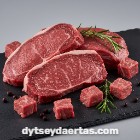
How much protein and energy does horse meat provide?
Raw edible horse meat provides 133 kcal, 21.39 g protein and 4.6 g fat per 100 grams. A weighed 150-gram raw amount supplies 200 kcal and 32.09 g protein. These figures describe the meat before cooking, not cured sausage, dried meat or a dish with added fat.
What are its main nutritional contributions?
Along with protein, it provides iron and vitamin B12: 3.82 mg iron and 3 µg B12 per 100 grams. The 150-gram raw example contains 5.73 mg iron and 4.5 µg B12. Consider B12 alongside the daily dietary reference and other food sources. These are contributions to the diet, not evidence that eating this meat treats anaemia or unexplained tiredness.
The source reports zero carbohydrate and fibre. Adding vegetables and an appropriate amount of grains or beans brings fibre and variety to an otherwise meat-only plate. It is not fat-free: the 4.6 g total fat per 100 grams includes 1.44 g saturated fat.
Why keep raw and cooked weights separate?
A 150-gram raw portion will not necessarily weigh 150 grams after cooking because water and juices are lost. Do not multiply a cooked serving weight by this raw-food profile. For a recipe calculation, record the raw meat and added fat or sauce, then divide the finished dish into portions.
Is it nutritionally better than other meats?
A single general record cannot establish that ranking. Cut, visible fat and preparation change the comparison. For example, use raw edible weights when comparing this entry with the protein and fat profile of raw goat meat. Keep both foods on the same raw or cooked basis. When comparing meat with sausage or other processed products, include their salt and added ingredients as well.
A raw composition table is not a recommendation to eat raw meat. Choose a traceable product legally sold and inspected as food in your location. Nutrient figures cannot establish legal or religious acceptability, or verify the safety of a particular batch.
Source and calculation
USDA SR28 17170 “Game meat, horse, raw”, Equus caballus. The 85 g and 150 g amounts are weighing examples. Total sugars are not separately reported and are not assumed to be zero. USDA record.


