

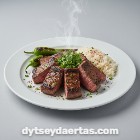
Dietitian's Tips for Consuming Male Deer Meat (Cooked)
This cooked deer-meat reference supplies 149 kcal and 28.13 g protein per 100 g. “Male” is part of the source record’s name; the source does not provide a nutritional comparison between male and female animals.
A portion of cooked meat
90 g provides about 134 kcal and 25.32 g protein. A 150 g portion provides about 224 kcal, 42.2 g protein and 5.95 g fat. Weigh the edible cooked meat; bones, added sauce and side dishes are not included in that amount.
From raw weight to cooked weight
Water and fat loss during cooking change the weight of meat. There is no fixed raw amount guaranteed to produce the 150 g cooked portion in this table. If using a raw package label, record the raw quantity; if using this cooked table, weigh the meat after cooking.
The separate elk table describes raw meat. Since the species in this cooked deer record is unspecified, the two entries are not before-and-after analyses of the same animal.
Protein and iron in the serving
A 150 g reference portion contains 3.6 mg iron. That is the amount in the food, not the amount guaranteed to be absorbed or a treatment for deficiency. The source reports zero carbohydrate, but a flour-coated or sauced dish can gain carbohydrate from its other ingredients.
Source note
Values use the explicit 100 g data in Diyetkolik’s named cooked deer-meat record. Species, cut and cooking method are unspecified, so it was not equated with elk or a particular tenderloin. Total sugars, fibre, saturated fat, vitamin C and vitamin A in RAE are unknown; a fatty-acid value with an unresolved unit was not used.


