Peppermint leaves are not peppermint oil
How many calories are in fresh peppermint?
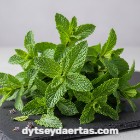
Raw peppermint leaves provide 70 kcal per 100 g. The amount used to flavour food is much smaller: the USDA reference of two tablespoons, weighing 3.2 g, contains 2 kcal. A weighed 5 g amount supplies 4 kcal. Spoonfuls vary, and none of these weights describes a bunch, a cup of tea or dried leaves. [1]
Peppermint versus other mint leaves
Peppermint is Mentha × piperita, distinct from spearmint. A bunch labelled simply “mint” does not necessarily identify the species. This table is for fresh peppermint leaves, not mint candy, dried mint or essential oil. Those products need separate nutrition information. [2] The fresh spearmint leaf table covers Mentha spicata separately.
Does peppermint tea contain the same nutrients?
Eating leaves is different from drinking water after the leaves have been strained out. Although the fresh leaves contain 8 g fibre per 100 g, a small 5 g amount supplies only 0.4 g. Leaf weight cannot establish the fibre, vitamin content or calories of a brewed cup. Honey or sugar added to tea also belongs in the drink’s calculation.
What benefits are supported for the leaves?
NCCIH finds insufficient evidence to establish peppermint leaf as a treatment for a health condition. Some IBS studies concern enteric-coated peppermint oil capsules; they do not show that a handful of leaves or a cup of tea has the same effect. There is no single required daily amount of peppermint leaves. Use them for flavour in salads, yogurt or drinks. If mint brings on heartburn, do not force it into your diet, and do not substitute concentrated oil for a culinary amount of leaves. [2] For recurring bloating, building meals from foods you tolerate is a more practical starting point than expecting one herb to solve the problem.