

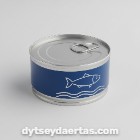
Weighing salmon canned with oil
Dardanel's canned salmon panel lists 305 kcal, 21.3 g protein and 24.5 g fat per 100 g. A weighed 50 g amount of the same composition provides about 153 kcal and 10.65 g protein. Raw, cooked and canned salmon have different weight and preparation bases. Added oil is one reason the canned figures differ from plain cooked fish.
What happens when you drain it?
The ingredients include Turkish salmon, extra virgin olive oil at 12% of the product, sunflower oil and salt. Draining changes the amount of oil on the plate. The discarded liquid cannot automatically be treated as pure oil, and the fish does not become fat-free. Without a separate drained nutrition panel, an exact calorie deduction cannot be calculated.
Does it need cooking?
Canned salmon is ready to eat. Add it to a salad or combine it with cooked pasta; it does not require the cooking time of raw fish. If you also use the oil from the can, count any extra olive oil poured over the meal as an additional ingredient. Dardanel's salmon pouch has a different fat and salt panel and should not inherit the can's values.
Storage after opening
The manufacturer allows unopened storage at room temperature until the best-before date. After opening, it specifies keeping the product covered with oil in a closed container at 4°C and using it within two days. Follow the directions on the package you have.
Source and whole-can limit
The manufacturer's 305 kcal per 100 g panel was selected. The 110 g front pack also states 17 g protein, which does not establish a direct whole-can calculation from that panel; drained weight was not verified. The calculator therefore offers weighed amounts rather than a definite whole-can value. The older 125 g-serving entry with 275 kcal per 100 g was not combined with it. Unreported micronutrients remain unknown.


