Fenugreek powder calories and what the powder contains
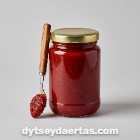
The plain fenugreek-seed reference used for this powder provides 323 calories per 100 grams. A weighed 3-gram amount provides about 10, and 5 grams provides 16 calories. This means ground fenugreek seeds, not leaves, a supplement or a spread containing oil and tomato paste. [1]
How much powder is in a teaspoon?
Grinding and how you fill the spoon affect its weight. The source's 3.7-gram teaspoon describes seeds; it should not be assigned automatically to every spoon of ground powder. Weigh your powder and enter that amount. The 3- and 5-gram options here are weighing examples, not recommended daily doses.
Per 100 grams, the reference contains 23 grams of protein, 24.6 grams of fibre and 33.53 mg of iron. A 3-gram amount supplies just 0.69 grams of protein, 0.74 grams of fibre and 1.01 mg of iron. A pinch of spice does not provide the quantities in the full 100-gram table or replace anaemia treatment.
How can you use it, and is soaked-seed water equivalent?
Try a little in lentil soup, a vegetable dish or a yogurt sauce and adjust to taste. Turkish breakfast çemen and the coating used on pastırma can contain other ingredients; their nutrients depend on the recipe. Read the ingredient list or calculate the full homemade mixture instead of assigning it the plain-seed values.
Soaking seeds overnight does not establish a special weight-loss benefit. Strained seed water or tea is not nutritionally equivalent to eating all the ground seeds. The amount transferred into an infusion is not measured by this food table, so it cannot give a reliable calorie or treatment dose for that drink.
Does fenugreek help with blood sugar or milk supply?
Those are treatment questions, not a reason to increase a spice serving. The NCCIH review of fenugreek describes limited-quality diabetes research and inconsistent findings for milk supply. It does not establish a universal effective dose. The breastfeeding guide's fenugreek section explains why milk intake and feeding difficulties need assessment first.
Who needs caution with fenugreek?
Ordinary food use differs from large amounts or concentrated herbal products. NCCIH advises that amounts above those normally found in food are unsafe during pregnancy. Safety at larger amounts during breastfeeding is not well understood.
Possible problems include allergy, nausea and diarrhoea; large amounts can cause a harmful fall in blood glucose. Discuss concentrated use, teas or capsules with your clinician if you take medicines. This page does not turn a weighed 5-gram example into a safe daily limit for everyone.