

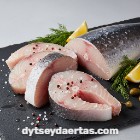
Frozen swordfish: protein, fat and calories
This reference for wild-caught frozen swordfish supplies 152 kcal, 19.2 g protein and 8.12 g fat per 100 grams of raw edible fish. A weighed 150 g amount provides 228 kcal and 28.8 g protein. It can provide the protein component of a meal, but mercury guidance is central to deciding whether to choose it.
Who should avoid swordfish?
FDA/EPA lists swordfish among the fish to avoid because of high mercury. This advice addresses people who are pregnant, might become pregnant or are breastfeeding, and children. For these groups, choose from the guide's lower-mercury fish options instead. Freezing does not change the category, and “wild caught” is not a promise of low mercury.
These figures also cannot establish that weekly swordfish is safe for every other adult. The nutrition record does not measure mercury in your particular fish. Age, pregnancy status and the other species eaten matter when considering frequency; a protein total alone cannot settle that choice.
Weighing and cooking a 150 g portion
Weigh the thawed edible fish without bones or surface ice glaze. Water loss during cooking means that 150 g cooked fish is not interchangeable with 150 g raw fish. Record which stage you weighed, and measure cooking oil and sauce separately from the fish.
Thaw it in the refrigerator and cook to an internal temperature of about 63 °C at the thickest point, following FDA seafood guidance. Avoid leaving it on the counter to thaw. A frozen product is not automatically safe to eat raw.
Source note
Nutrition comes from USDA Foundation 2747672, “Swordfish, frozen, wild caught.” The samples also report B12 and selenium, but this record does not support filling in missing omega-3, sugar or fibre figures. Mercury advice comes separately from the FDA/EPA fish guide.


