

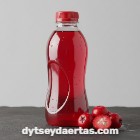
Acerola juice: calories and concentrated vitamin C
Acerola is also called Barbados cherry. The figures here come from a historical USDA entry for its raw juice. Bottled nectar, concentrate, powder and vitamin C supplements are different products; use the label for a commercial drink.
How many calories and how much sugar does it contain?
100 g provides 23 kcal and a weighed 50 g amount gives 12 kcal. The database cup weighs 242 g and contains 56 kcal; that cup is not a recommended serving. Per 100 g, the juice has 4.5 g of sugar within 4.8 g of carbohydrate, plus 0.3 g of fibre. Juice does not provide the same fibre as the whole fruit. For the seed-free portion calculation for raw acerola fruit, use the whole-fruit record.
Why does the vitamin C figure need context?
The reference reports 1600 mg per 100 g, or 800 mg in 50 g. A 242 g cup would contain 3872 mg. NIH gives an adult daily upper limit of 2,000 mg from food, drinks and supplements combined; limits for children are lower. An upper limit is not a target. Excess vitamin C can cause diarrhoea, nausea and cramps. Low calories are therefore not a reason to recommend large glasses.
Using acerola juice without confusing it with a supplement
A small, measured amount can be mixed into another drink or yoghurt. Count any honey, sugar or other ingredients separately. The historical vitamin C value will not describe every bottle: fruit variety, processing and storage can change it. Supplying vitamin C does not guarantee skin renewal or disease prevention. A spoonful of acerola powder cannot be calculated from this juice entry, and a branded shot needs its own label. Consider a varied diet that supports normal immune function rather than relying on one drink.
Is raw juice the better choice?
“Raw” describes the database food, not a safety recommendation. FDA identifies untreated juice as a particular risk for pregnant people, children, older adults and people with weakened immune systems. Choose juice that has been pasteurised or otherwise treated to destroy harmful microbes, and follow its storage instructions.
Sources: USDA SR28, food 09002; NIH vitamin C upper limits; FDA juice safety guidance.



