Dietitian's Tips for Consuming Almond Oil
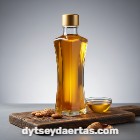
The nutrition table describes edible almond oil. Not every bottle labelled almond oil is intended to be swallowed: do not substitute a cosmetic, massage or external-use product for cooking oil. The edible-oil reference provides 884 calories per 100 g. A weighed 5 g adds about 44 calories; 10 g adds about 88.
How do you count oil added to food?
If you add 5 g of almond oil to a salad and eat all of it, the oil contributes roughly 44 calories. Adding 20 g to a dressing shared equally by four people gives the same 5 g and 44 calories each. When dressing remains in the bowl or oil stays in the pan, an exact absorbed amount cannot be stated without knowing how much was eaten.
A tablespoon is not automatically 15 g; volume and mass are different measurements. Weighing the bottle before and after pouring measures the grams added. Replacing an existing oil in a recipe also has a different effect on the total from pouring extra oil over the finished meal.
Is it for cold dishes or cooking?
Follow the directions for the particular oil. A refined edible oil and an oil with a toasted-almond flavour may have different uses. Refining and heat use in avocado oil also depend on the product label; do not assume that the two oils share a cooking temperature. La Tourangelle, for example, describes its refined oil for high-heat cooking and its toasted oil for cold dishes or low-to-moderate heat. A single smoke-point claim should not be applied to every almond oil.
With an almond allergy, do not assume refining makes a particular product safe; suitability and product labelling need separate consideration. Hair and skincare claims are not evidence of nutritional effects from eating the oil.
A weighed 10 g amount of raw almond kernels provides about 58 calories, 2.12 g protein and 1.25 g fibre. The same 10 g of almond oil has about 88 calories and no protein or fibre. Grams of oil are not a kernel portion.
Sources
The numeric reference is USDA SR28 almond oil, record 04529. Use examples distinguish the manufacturer’s refined and toasted culinary oils. A branded bottle’s millilitre capacity was not converted into grams for the generic table.