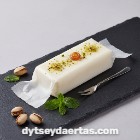
The reference for a frozen milk dessert bar
A frozen milk dessert bar made from lowfat milk provides 147 calories per 100 grams in this USDA reference. The broad food name does not mean that all milk-based frozen bars share its composition. Chocolate-coated and full-fat bars need their own values. For example, a 60 g chocolate-coated Alaska Frigo bar uses its own label; this record’s 68 g reference bar weight does not transfer to it.
Calories in one source bar
One reference bar weighs 68 grams and supplies 100 calories. Half weighs 34 grams and provides 50 calories. The stick and wrapper are not edible weight. Use your package's net quantity and label if it describes a different product.
A weighed 50-gram example supplies 74 calories. A scoop or cone cannot be assigned the bar's weight. Sauces, biscuits and coatings also contribute energy; calculating only the milk-based centre leaves part of the dessert out.
Why the sugar and fibre values are specific
One source bar contains 3 grams of protein, 22.5 grams of carbohydrate and 1 gram of fat. Total sugars are about 15 grams and calcium is 125.12 mg. Using lowfat milk does not make a product sugar-free or calorie-free.
The record reports 6.6 grams of fibre per 100 grams. That is not a general value for ordinary dairy ice cream and should not be transferred to other brands. Its short food description does not identify the fibre ingredient, so inulin or another added fibre cannot be assumed.
Read the actual package
Compare net weight, total sugars, saturated fat and ingredients when choosing a bar. A low fat value in a historical record does not establish the same formulation in your freezer. There is no universal daily or weekly number of bars appropriate for everyone.
A frozen milk product may contain lactose; freezing does not make it lactose-free. Lactose intolerance and milk allergy are different conditions, and a lowfat description is no guarantee for either. Follow the package's allergen and storage information. This nutrient entry is not a certificate that a product meets a country's legal definition of ice cream. When choosing a product, check the difference between lactose-free and dairy-free labels.