Sesame seed calories and calcium
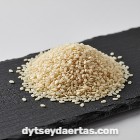
Whole dried sesame seeds with their hull provide 573 calories per 100 grams in this USDA reference. Hulled seeds, toasted seeds, sesame oil and tahini are different products. Calcium in particular should not be copied unchanged from one form to another.
How much is a tablespoon?
The source US tablespoon weighs 9 grams and provides 52 calories, 1.6 grams of protein and 1.06 grams of fibre. Two source tablespoons weigh 18 grams and provide 103 calories. A heaped spoon can weigh more; use a scale if the measure is uncertain.
The source cup weighs 144 grams, but is not offered as a daily serving recommendation. Sesame scattered over bread, seeds incorporated into a biscuit and a spoonful of tahini cannot each be treated as 9 grams of whole seeds. For a recipe, weigh the seeds added and divide the recipe total by the number of portions.
The hull, calcium and fat
The 100-gram reference reports 975 mg of calcium and 14.55 mg of iron. A 9-gram tablespoon contains 87.75 mg and 1.31 mg respectively. Total mineral content is not the amount the body necessarily absorbs. A hulled product needs its own calcium figure.
Fat is 49.67 grams and protein 17.73 grams per 100 grams. Seeds are concentrated foods, which explains why a small spoonful still contributes energy. Sesame can add flavour and nutrients to a meal, but one tablespoon cannot cover an entire day's protein or calcium needs. Comparing calcium sources by serving size and absorption gives a more useful picture than comparing a small spoonful of sesame with a glass of milk by food name alone.
A weighed 20 g amount in the generic sesame-brittle reference provides about 128 mg calcium alongside 103 kcal and 6.23 g sugars. Candy is different from plain seeds, and the seed type and proportion vary by product.
Toasted seeds, black sesame and allergy
This source is not a separate comparison of black and white varieties. It also does not quantify the effects of toasting or removing the hull. Use the processing description and label of the product you buy. Prepared sauces may include oil, sugar or salt alongside sesame.
For someone with sesame allergy, a small amount or toasting does not guarantee safety. Avoid foods containing sesame or tahini and read ingredient and allergen information on packaged foods. There is no single daily number of tablespoons suitable for everyone; consider other seeds and the overall meal as well.