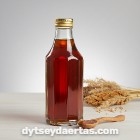
Calories in a tablespoon of sorghum syrup
Sorghum syrup contains 290 calories per 100 g. USDA's tablespoon weighs 21 g, providing 61 calories and 15.73 g sugars. A weighed 10 g amount gives 29 calories. Spoon sizes and filling vary, so weighing your own amount can make the calculation clearer. [1]
Sorghum syrup versus grain and molasses
The syrup is made by concentrating juice from sweet sorghum stalks. Sorghum grain and flour are different foods. Although “sorghum molasses” is a familiar name, this is not the same process as producing molasses during sugar crystallisation from sugarcane. Do not borrow the mineral profile of blackstrap molasses or Turkish grape pekmez for it. [2] The dry and cooked weight calculation for sorghum grain does not apply to the syrup.
Is it a healthier sugar substitute or a useful iron treatment?
It can replace sugar as a sweetener, but it is not sugar-free. The 15.73 g sugars in a 21 g tablespoon are already part of its 15.73 g total carbohydrate. That spoon also supplies 0.8 mg iron and 210 mg potassium. Minerals do not remove the sugar contribution, and syrup should not replace assessment and treatment of iron deficiency.
Compare honey or other syrups at the same weight using their own labels. “Natural” does not mean unrestricted use with diabetes. Any carbohydrate or potassium restriction needs to be considered within your individual plan; one tablespoon per day is not a universal prescription.
What is it used for?
A small amount can sweeten oatmeal, drinks or baking. University of Kentucky recommends an airtight container at room temperature; follow any more specific directions on your jar. [3] Adding 21 g to a recipe contributes 61 calories to the whole batch, or about 15 per serving when divided equally into four.
The source cup weighs 330 g and contains 957 calories. It is a recipe measure, not a recommended portion. Blended syrups may contain other sweeteners, so their product labels take precedence over this generic sorghum syrup reference.
Sources: [1] USDA SR28, 19355: Syrups, sorghum; [2] University of Kentucky: sweet sorghum and molasses distinction; [3] University of Kentucky: sorghum syrup use and storage