Measuring canola oil by spoon and weight
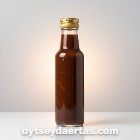
A USDA tablespoon of canola oil weighs 14 g and provides about 124 kcal. The reference teaspoon weighs 4.5 g and gives about 40 kcal. Measuring rather than pouring by eye makes it easier to account for the oil in a dish shared between several people.
Is 10 g the same as a tablespoon?
No. A weighed 10 g amount gives 88.4 kcal, less than the 14 g tablespoon. Kitchen spoons vary in size and fullness. A volume in millilitres should not be treated as the same number of grams either. A scale lets you use the gram-based table directly.
What does the oil contain?
Canola is low-erucic-acid rapeseed oil. This plain oil reference contains no protein or carbohydrate; 14 g supplies 14 g fat, including about 1 g saturated fat. The type of oil does not remove its energy. If all 14 g added to a four-serving dish remains in the food and is divided equally, it adds about 31 kcal per serving. Oil left behind in a frying pan does not fit that assumption.
Sunflower oil also provides 884 kcal per 100 g in its reference. Swapping equal weights does not lower the energy; flavour, fatty-acid composition and intended use are separate considerations.
Canola is among the plant sources of omega-3. Understanding the distinction between ALA and EPA–DHA helps avoid treating a spoonful of oil as a fish serving or supplement dose.
Oil reference
The table uses plain canola oil record 04582 from USDA SR28. An oil blend or specially processed product may carry a different label.