Calories and minerals in sparkling mineral water
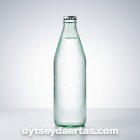
This reference for plain sparkling mineral water reports zero calories. That does not mean it contains no minerals: the historical Gerolsteiner record used here gives 33 mg calcium, 11 mg magnesium and 13 mg sodium per 100 g. Mineral composition varies between sources and brands.
Reading the units on the bottle
Check the unit before comparing mineral quantities. Bottles often report minerals in mg/L, whereas this USDA record uses a 100 g basis. A weighed 200 g amount in this reference provides 66 mg calcium and 26 mg sodium. It is not relabelled as a 200 ml bottle. For a volume-based calculation, use the mg/L figures printed on your own bottle.
Carbonation does not determine mineral content; still mineral water also has its own calcium and magnesium profile.
Plain water or a flavoured drink?
A sweetened or fruit-flavoured mineral-water drink need not have the same energy value. Look at the ingredients and the energy and sugar lines, rather than relying on the bubbles or the product name. A drink mixed with lemon juice and salt also needs more than the plain water's mineral table to describe it.
The salt calculation for a Churchill drink shows how lemon juice and table salt add to the sodium already in mineral water.
When considering fizzy drinks and burping after meals, calories are not the only distinction; zero-calorie water can still be carbonated.
For everyday drink choices, the guide compares plain water with sugary drinks, milk-based drinks and juice in the context of meals.
Date and scope of the reference
The calculation uses USDA SR28 record 14075 for Gerolsteiner, which lists an 8 fl oz measure weighing 240 g. Current producer values per litre have not been combined with this historical gram-based table. Some source zero values carry label, calculation or assumed-zero codes; they are not all separate laboratory measurements. This is one named reference, not a universal composition for sparkling mineral water.