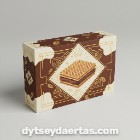
A full or half pot of Eker rice pudding
Eker’s manufacturer label for its 150 g rice pudding declares 125 kcal per 100 g. The full 150 g pot provides 188 kcal, and half a pot, 75 g, provides 94 kcal. A larger bowl is a different amount even when both are called one serving, so check the net weight first.
How much sugar and protein are in a pot?
The manufacturer lists 17.5 g sugar and 2.2 g protein per 100 g. A 150 g pot therefore contains 26.25 g sugar and 3.3 g protein. Sugar here means total sugars; the available figures do not separate added sugar from the milk’s naturally occurring sugar. Being made with milk does not turn this dessert into a high-protein main meal. The separately reviewed 150 g cup of Eker keşkül contains 27 g total sugars; identical cup weights do not imply identical nutrition.
Eker kazandibi’s 150 g pot also declares 26.25 g total sugars and provides 189 calories. The matching sugar total does not mean matching ingredients: the separately checked retailer ingredient list for kazandibi includes chicken breast.
Can rice pudding fit into a weight-management plan?
If you enjoy rice pudding, consider the amount within your usual meals. Half a pot is an option when you want a smaller dessert. Cinnamon changes the flavour without removing the sugar or calories. If you follow an individual blood-glucose plan, look at total carbohydrate as well as sugar: the full pot contains 30 g carbohydrate. Food and portion choices when craving sweets can help you consider the dessert alongside the rest of the day’s food.
Is it the same as baked rice pudding or rice porridge?
Homemade recipes vary in their rice, sugar, milk and cream quantities. Plain rice porridge is a different food from a prepared milk dessert. These figures apply to the stated Eker 150 g product, not every brand or baked recipe. The product contains milk and is unsuitable for a milk allergy. For gluten avoidance, check the package declaration rather than relying on rice as an ingredient.
Which declaration was used?
The manufacturer’s 125 kcal and macronutrients were used together. A retailer’s 122 kcal listing with different carbohydrate and fat values was not blended into the table. Its 0.3 g salt per 100 g corresponds to 120 mg sodium. Undeclared calcium and other micronutrients were not estimated. Follow your packet’s storage directions and use-by date. The 145-versus-174-kcal label difference for Eker Supangle is explained separately; rice-pudding figures do not transfer to it.