Dietitian's Tips for Consuming Filter Coffee (With Milk And Sugar)
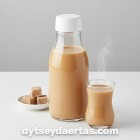
Calories in filter coffee with milk and sugar depend on how much of each addition is used. In the generic reference on this page, 200 g of the prepared drink provides 24 kcal. That does not mean every cup at home or every café serving contains 24 kcal.
The actual quantity in the cup
On the same basis, 100 g provides 12 kcal and 150 g provides 18 kcal. A 200 g quantity contains 4.66 g carbohydrate, 0.59 g protein and 0.22 g fat. Use a weighed amount with this table; a 200 ml mark on a cup measures volume, not weight.
Counting your own coffee
For a home-made cup, record the volume of milk and the weight of sugar separately. Use the milk’s own label and the sugar actually added. Milk and sugar are already part of this reference, so adding the same ingredients again would count them twice.
Sugar is not a necessary part of filter brewing; it is an addition in this drink. Plain filter coffee, a latte and sweetened milky filter coffee are different preparations. Total carbohydrate also cannot be presented as a measured total-sugars value.
Adding an extra 5 g table sugar to your own cup contributes about 19 kcal. In the milk-based cappuccino example, total sugars are present even without added sugar; the coffee name alone does not establish the same recipe.
If replacing milk in coffee with a hazelnut drink, check your carton’s protein, sugars and measurement unit. This milky-coffee table does not describe the proportions in that new mixture; count the amount added separately.
Source note
Figures use the Diyetkolik milk-and-sugar filter coffee entry. The exact milk/sugar recipe and caffeine amount are not specified and have not been estimated. Sugars and saturated fat remain unknown.