

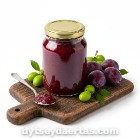
Dietitian's Tips for Consuming Plum Paste
This plum-paste reference contains 196 kcal per 100 g. It is not the same calculation as simply mashing fresh plums. A small-looking spoonful of concentrated paste is easier to account for when weighed.
A spread or a filling
10 g of paste supplies about 20 kcal; 30 g supplies 59 kcal and 14.4 g carbohydrate. If you add 60 g to a recipe and divide it into four equal portions, the paste contributes about 29 kcal to each portion. Pastry, fat, yogurt and other ingredients still need to be counted.
Paste, fresh purée and salted plum products
Water loss and added ingredients change the values per 100 g of fruit products. Japanese salted umeboshi paste should not be calculated using this fruit-paste reference. For a purchased jar, its own ingredient list and nutrition label offer the relevant comparison.
Fresh plums provide 46 kcal per 100 g, compared with 196 kcal in this paste reference. Comparing equal weights distinguishes the foods, but the difference cannot reveal how much sugar was added. Plum jam also needs its own recipe and portion calculation.
Carbohydrate is not all sugar
The source reports 48.01 g carbohydrate per 100 g but does not state total sugars or whether sugar was added. It would be incorrect to call that “48 g sugar” or to describe the paste as having no added sugar.
Source note
Values come from the Diyetkolik plum-paste reference. A complete recipe and final yield are unavailable. Total sugars, saturated fat and cholesterol are unknown; vitamin A in IU was not entered as RAE.



