

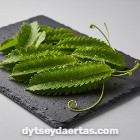
Winged bean leaves are different from the seeds and pods
Winged bean (Psophocarpus tetragonolobus) is a tropical plant with several edible parts. This table covers raw edible leaves only: 74 kcal per 100 g. Values for dried seeds, green pods or tubers should not be transferred to the leaves.1 Use the separate table for mature winged bean seeds boiled without salt.
How much protein and calcium do the leaves provide?
A 50 g amount weighed before cooking provides 37 kcal, 2.93 g protein and 112 mg calcium. Leaves do not have the same composition as a serving of dried pulses. When a claim says winged bean is high in protein, check which part of the plant it describes. The source does not report fibre or total sugar for these leaves; missing values are not shown as zero.
How are winged bean leaves eaten?
Young leaves can be used in soups and cooked vegetable dishes. ECHO reports nausea, dizziness and gas with heavy consumption of raw leaves; use them cooked. Calculating from raw weight is not a recommendation to eat them raw. Nor does this information establish that leaves from every bean species are edible.2
Which weight should you use for a cooked dish?
For this entry, trim the leaves and weigh them before cooking. Entering the weight of the finished dish as raw leaves mixes in changes from water and other ingredients. Add oil and other foods separately; a bunch or plate has no universal gram weight. The vitamin C value also describes raw leaves and should not be assumed to remain unchanged after cooking. The raw and cooked cup examples for collard leaves show why the same measure name need not mean the same weight.
1. USDA SR28, 11597: Winged bean leaves, raw. Vitamin A is shown in µg RAE. The 25 g and 50 g examples are weighed amounts; no bunch or spoon measure is supplied by this record.



