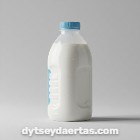
Separating bottle volume from weighed kefir
The example for plain semi-skimmed kefir is Schärdinger Kefir Drink Natur with 1.5% fat. Its table lists 45 kcal per 100 g. A weighed 200 g amount provides 90 kcal, 7 g protein and 3 g fat.
Why is a 250 ml bottle not a 250 g serving?
The bottle size describes volume, while the nutrition table uses grams. Without a density value, those units have not been equated to assign an exact whole-bottle calorie figure. Tare an empty glass and weigh the drink to calculate a gram portion. This also matters when comparing it with kefir labeled per 100 ml.
The older 192 ml listing for Danone strawberry kefir also uses a gram-based panel. Equal bottle volumes alone do not make the gram-based values directly comparable.
The Lifeway volume-labeled plain whole-milk kefir example uses a 240 ml serving. Match measurement units before choosing between drinks by their glass calories.
Fat percentage and sugars are separate
The 200 g example contains 8.8 g total sugars, 2 g saturated fat and 0.26 g salt. Reduced fat does not mean zero sugar. The same manufacturer’s 180 g kefir pot contains 3.6% fat and is a different product; its table does not describe this drink.
Unreported nutrients remain unknown
The Schärdinger Kefir Drink table declares 0.13 g salt per 100 g, equivalent to about 52 mg sodium. Numerical calcium and fiber amounts are unreported. Mineral values from other kefirs have not been used to fill the gaps.